

Testing StoneCap3.0.34 Software: A Strategic Approach To Building Faster, Safer, & More Reliable Applications
Software quality is no longer measured solely by whether an application works. In today’s competitive digital environment, users expect speed, reliability, security, and seamless experiences across every device. A single performance issue or unexpected failure can result in lost customers, negative reviews, and significant revenue loss.
This reality has transformed software testing from a final development step into a core business strategy. Testing StoneCap3.0.34 software helps organizations identify weaknesses before deployment, reduce operational risks, and deliver applications that consistently meet user expectations.
Whether you’re managing a startup, SaaS platform, enterprise application, or eCommerce system, understanding how to implement effective testing can dramatically improve software quality and long-term business performance.
Kaku Press is going to explain every single detail in simple terms. Let’s dig in.
Why Traditional Testing Is No Longer Enough?
Many development teams still approach testing as a checklist item completed shortly before launch. Unfortunately, this reactive approach often leads to unexpected bugs, performance bottlenecks, and costly post-release fixes.
Modern software environments are far more complex than they were a decade ago. Applications now depend on APIs, cloud infrastructure, third-party integrations, mobile devices, and real-time data processing. Every additional component introduces new opportunities for failure.
Testing StoneCap3.0.34 addresses this challenge by providing a structured framework that continuously evaluates application health throughout the development lifecycle.
The Real Cost of Software Failures
The consequences of poor software quality extend far beyond technical issues.
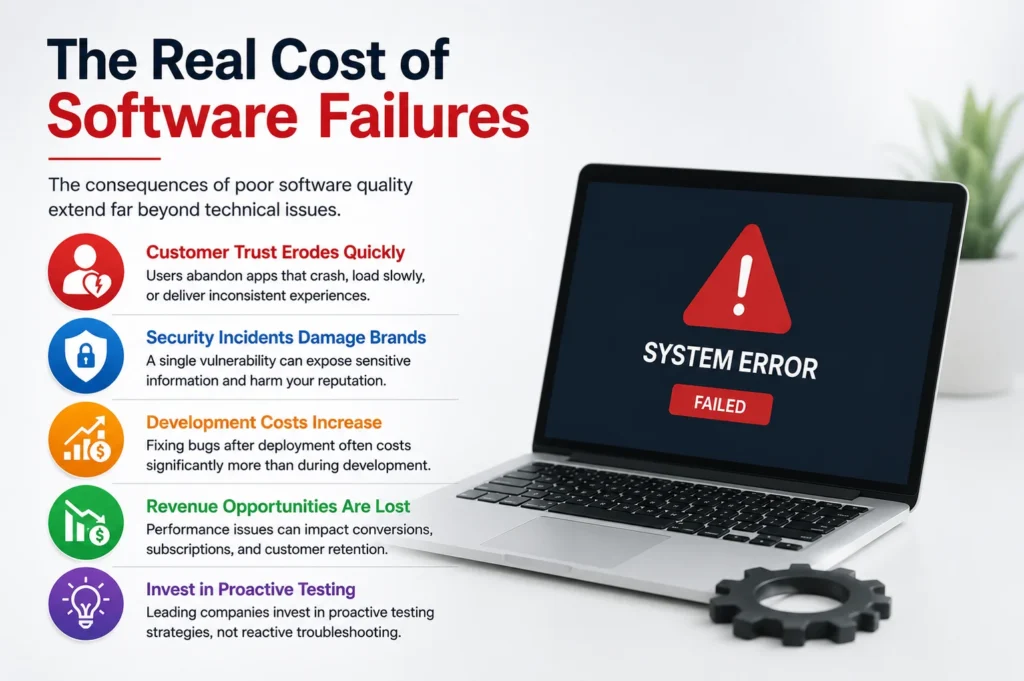
- Customer Trust Erodes Quickly – Research consistently shows that users abandon applications that crash, load slowly, or deliver inconsistent experiences. Once trust is lost, recovering those users becomes difficult and expensive.
- Security Incidents Damage Brands – A single vulnerability can expose sensitive information and lead to reputational damage that lasts for years.
- Development Costs Increase – Fixing bugs after deployment often costs significantly more than identifying them during development.
- Revenue Opportunities Are Lost – Performance issues can directly impact conversions, subscriptions, and customer retention.
This is why leading technology companies invest heavily in proactive testing strategies rather than relying on reactive troubleshooting.
What Makes StoneCap3.0.34 Stand Out?
Unlike basic testing solutions that focus solely on bug detection, StoneCap3.0.34 supports a broader quality assurance strategy.
Its capabilities help teams evaluate:
- Functional accuracy
- Application performance
- Security resilience
- User experience
- Device compatibility
- Deployment readiness
By analyzing these areas together, teams gain a more complete picture of software quality before release.
Five Critical Areas Every Development Team Should Prioritize
1. Performance Testing
Users expect instant responses. Even small delays can increase bounce rates and reduce engagement.
Performance testing helps teams evaluate:
- Page load speed
- Server response times
- Resource consumption
- Traffic handling capacity
Applications that perform well under pressure are more likely to retain users and support business growth.
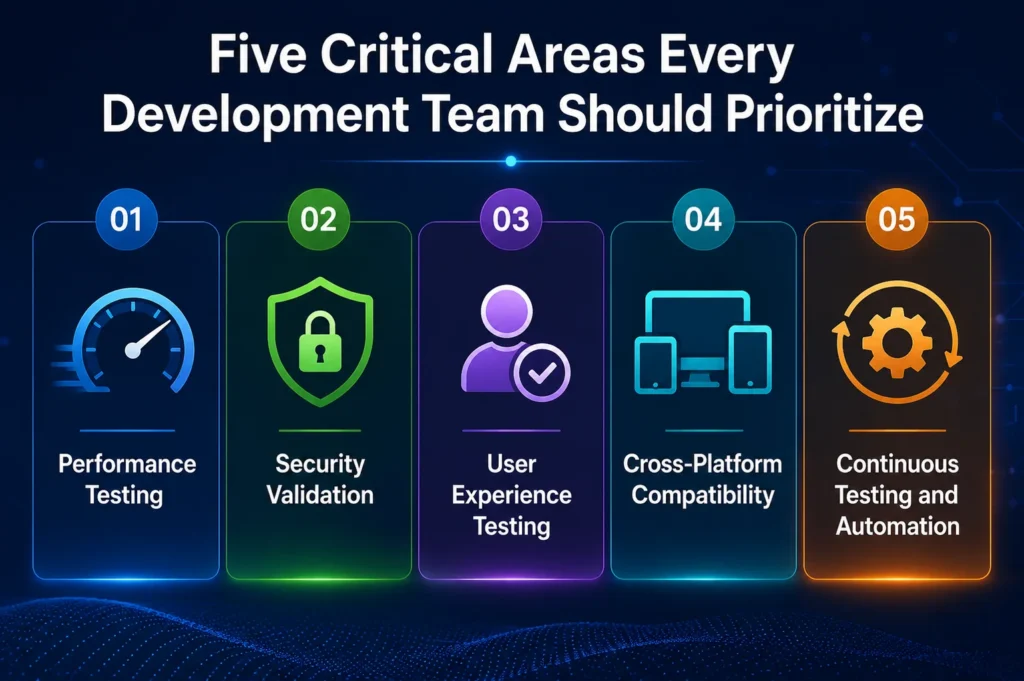
2. Security Validation
Cyber threats continue evolving every year.
Security testing should verify:
- Authentication systems
- User permissions
- Data encryption
- API protection
- Vulnerability exposure
Building security into testing workflows reduces risk and strengthens customer confidence.
3. User Experience Testing
Technical functionality alone does not guarantee success.
Usability testing helps answer important questions:
- Can users complete tasks easily?
- Is navigation intuitive?
- Are workflows efficient?
- Do users encounter frustration?
Understanding user behavior often reveals improvement opportunities that traditional testing misses.
4. Cross-Platform Compatibility
Modern users interact with applications through multiple devices and browsers.
Testing should confirm consistent functionality across:
- Windows
- macOS
- Android
- iOS
- Chrome
- Firefox
- Safari
- Edge
A seamless experience across platforms improves customer satisfaction and reduces support requests.
5. Continuous Testing and Automation
Manual testing alone cannot keep pace with modern release schedules.
Automation helps teams:
- Reduce repetitive work
- Increase test coverage
- Detect issues faster
- Accelerate deployment cycles
Organizations that embrace continuous testing typically release software more frequently and with fewer defects.
Learn About Grollgoza Offline Gaming And Downloads
Best Practices for Long-Term Success
Teams achieving the best results with StoneCap3.0.34 often follow several key principles:
- Shift Testing Left – Begin testing during development rather than waiting until release preparation.
- Prioritize High-Risk Features – Focus resources on the areas most likely to impact users and business operations.
- Monitor Real-World Performance – Testing should continue after deployment to identify emerging issues.
- Maintain Testing Documentation – Well-documented test cases improve consistency and knowledge sharing across teams.
- Learn From Historical Data – Past testing results often reveal patterns that help prevent future failures.
The Future of Software Quality Assurance
The future of testing is increasingly driven by automation and intelligent analytics.
Emerging trends include:
- AI-powered defect prediction
- Automated root-cause analysis
- Self-healing test scripts
- Predictive performance monitoring
- Continuous security assessment
Organizations that adopt these innovations early will gain a significant competitive advantage in software quality and delivery speed.
Final Thoughts
Testing StoneCap3.0.34 software is not simply about finding bugs. It is about creating reliable digital experiences that users trust. By combining performance validation, security assessment, usability analysis, and automated testing workflows, organizations can reduce risk while improving software quality.
As user expectations continue to rise, businesses that invest in proactive testing strategies will be better positioned to deliver stable, secure, and high-performing applications that stand out in a competitive market.